Cowboy Howdy: A Retro Font for Modern Makers
More Than Just Letters on a Page
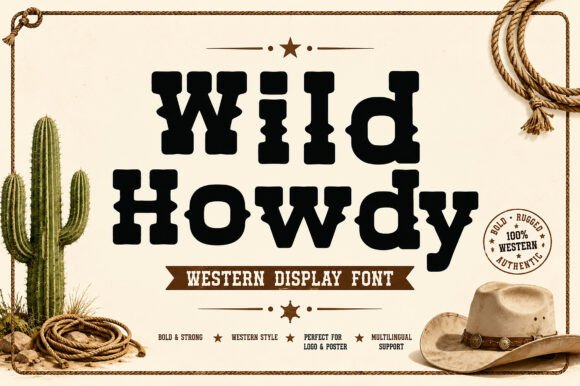
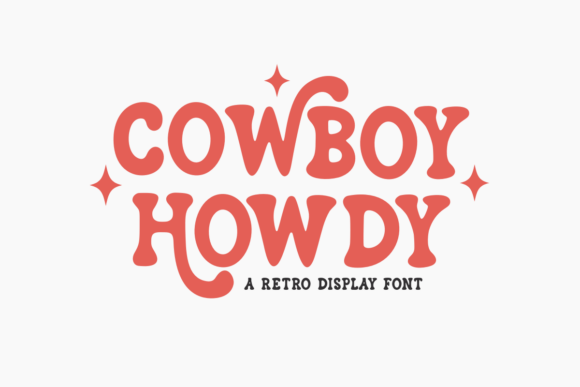
There’s a certain texture to the past you can almost feel—the weight of a cast-iron skillet, the grain of weathered barn wood, the crisp snap of a vintage bandana. Cowboy Howdy captures that same tactile, nostalgic energy and translates it into a premium font that feels both timeless and surprisingly modern. This isn't just another display font; it's a handcrafted typeface with a distinct personality, designed for creators who want their work to tell a story. Its retro charm is rooted in classic Western typography, but it avoids feeling like a dusty museum piece. The letterforms have a confident, slightly rugged edge with a warmth that makes them incredibly approachable.
What truly sets this creative font apart is its thoughtful design. The base character set is strong and legible, but the real magic happens when you explore its alternates. These stylistic swaps aren't just minor tweaks; they offer fundamentally different vibes for key letters, allowing you to shift the font's tone from playful and casual to bold and commanding with a simple click. This versatility means a single font family can serve multiple projects or even different facets of a single brand, ensuring consistency without monotony. It’s this fusion of style and substance that makes Cowboy Howdy a powerful tool in any designer's toolkit.
Where Western Whimsy Meets Practical Design
Knowing a font looks good is one thing. Knowing where and how to use it effectively is what separates a good design from a great one. Cowboy Howdy excels in projects where personality and memorability are paramount. Its bold presence makes it a natural fit for logo design, especially for brands in the lifestyle, outdoor, artisan food, or craft beverage spaces. Imagine it anchoring the identity of a local brewery, a bespoke leather goods shop, or a farm-to-table restaurant. It immediately communicates authenticity and a hands-on ethos.
Beyond branding, this handwritten font shines in applications where you want to make a direct, personal connection with your audience. Consider these practical uses:
- Apparel & Merchandise: It’s built for statement-making t-shirts, hats, and tote bags. The letterforms have enough weight and character to hold their own on fabric, ensuring your message is seen and felt.
- Editorial & Packaging Design: Use it for chapter titles in a cookbook, headlines in a lifestyle magazine, or on product packaging for artisanal goods. It adds a layer of curated, rustic sophistication.
- Event & Invitation Cards: For weddings, parties, or community events with a rustic, country, or vintage theme, Cowboy Howdy sets the perfect tone from the very first glance. It’s ideal for save-the-dates, menus, and signage.
- Digital Presence: While best suited for headlines and subheads in web design, it can dramatically elevate hero sections, call-to-action buttons, and social media graphics. Its unique flair stops the scroll and invites engagement.
The key is to match the font's energy to your project's goals. It’s not the right choice for a corporate law firm’s annual report, but it’s perfect for the local coffee shop’s new seasonal menu or the blogger’s featured post about sustainable living.
Building a Brand with Authentic Character
A font does more than spell out words; it shapes perception. The typeface you choose for your brand identity is a silent ambassador, communicating values and personality before a single word is read. Cowboy Howdy communicates craftsmanship, nostalgia, and a down-to-earth authenticity. Using it consistently can build a strong, recognizable visual language that fosters trust and connection with your audience. It tells them you value quality, tradition, and a touch of individuality.
Effective use involves more than just slapping it on everything. It’s about creating a visual hierarchy. Pair it with a clean, neutral sans serif font for body text to ensure maximum readability. This contrast allows Cowboy Howdy to command attention in headlines and pull quotes without overwhelming the reader. For projects that blend modern and rustic, it can also create interesting tension when paired with a sleek script font or a minimalist geometric typeface. The goal is balance—let the display font do the heavy lifting for impact, and let supporting fonts handle the detailed information.
When evaluating if it’s the right commercial font for you, consider the full picture. Review the entire character set, including numbers, punctuation, and those crucial alternate glyphs. Test it at the sizes you’ll actually use. Does it remain legible as a small tagline? Is it impactful as a large poster headline? Always check the licensing to ensure it fits your intended use, whether for personal craft projects or commercial client work. A premium font like this is an investment in your creative assets, and understanding its capabilities ensures you get the most value from it.
In a landscape saturated with generic modern typography, Cowboy Howdy