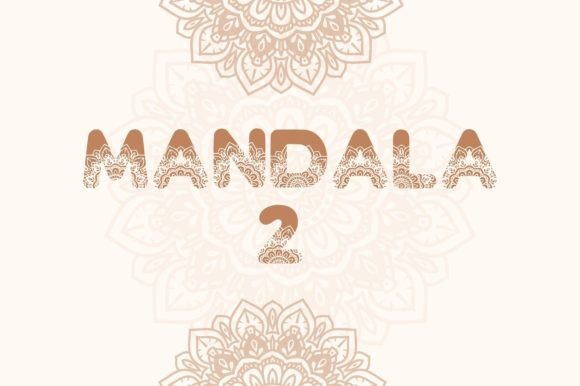
Discovering Mandala 2: A Font for Good Fortune and Design
Some typefaces are workhorses. They’re the dependable sans serif fonts in your toolkit, perfect for body text and clean interfaces. Others are pure expression, like a script font that feels like handwritten poetry. And then, there are fonts that carry a specific energy, a visual language that speaks of culture, luck, and intricate beauty. Mandala 2 is one of those. It’s not just a set of letters; it’s a creative font steeped in the symbolism of mandalas, designed to bring a sense of harmony and good fortune to your projects.
As a display font, Mandala 2 isn't meant for long paragraphs of text. Its personality shines in headlines, logos, and short, impactful phrases. Think of it as the premium font you reach for when you want to make a statement that feels both decorative and meaningful. The letterforms are likely inspired by the circular, geometric patterns of traditional mandalas, which are symbols of the universe in Hindu and Buddhist traditions. This influence gives the font an organic, flowing quality that feels less like rigid typography and more like a piece of art. It’s a modern typography choice that bridges spiritual symbolism with contemporary design assets.
Where Mandala 2 Truly Shines
Understanding a font’s strengths is key to using it effectively. Mandala 2 excels in projects where visual appeal and a touch of luck are paramount. Its ornamental nature makes it a natural fit for the world of greeting cards and stationery. Imagine it on a beautifully designed Chinese New Year card, a Diwali invitation, or a wedding suite wishing prosperity and joy. The font’s inherent symbolism of good fortune makes the message feel more authentic and thoughtful.
Beyond paper, this creative font translates wonderfully to physical products. It’s an excellent choice for packaging design for artisanal goods, especially those with a wellness, spiritual, or handmade ethos. Picture it on the label of a herbal tea, the branding for a candle company, or the print on a tote bag. For entrepreneurs in the crafting space, using Mandala 2 on mugs, t-shirts, or fabric prints can create a distinctive product line that stands out in a crowded market. It moves seamlessly from digital applications like social media graphics to print projects like posters and editorial layouts, adding a layer of cultural depth wherever it’s applied.
Making It Work for Your Brand Identity
Choosing a display font like Mandala 2 for your brand identity is a strategic decision. It immediately sets a specific tone. It tells your audience you value aesthetics, tradition, and perhaps a touch of the mystical. For a blogger or content creator in the wellness, yoga, or lifestyle space, this font can become a recognizable part of your visual signature, used consistently in your blog headers, YouTube thumbnails, and Instagram Stories.
However, its ornate style demands careful handling. The most critical factor is readability. While beautiful, the decorative details can hinder legibility at small sizes or from a distance. This is where font pairing becomes essential. Mandala 2 should be paired with a clean, neutral sans serif font or a simple serif font for body copy. This creates a strong visual hierarchy: Mandala 2 commands attention in the headline, while the paired font ensures the supporting text is easy to read. This contrast isn’t just practical; it looks professional and intentional.
A Practical Guide to Selecting and Using Mandala 2
Before you integrate any new typeface into your workflow, a little due diligence goes a long way. First, always test the font within the context of your actual project. Mock up a logo, a social media post, or a product label. Does it still feel right at the size you’ll be using it? Does its personality align with the message?
Next, explore the full character set. A quality premium font like Mandala 2 often includes more than just basic letters and numbers. Look for alternates, ligatures, and special characters. These extra glyphs can be used to customize your designs, creating unique ligatures in a logo or adding flourish to a headline. This level of detail is what separates generic typography from thoughtful logo design and editorial design.
Finally, understand the licensing. If you’re a small business owner or entrepreneur planning to use the font on products for sale (like the mugs or shirts mentioned earlier), you must ensure you have the correct commercial font license. Most foundries offer different licenses for desktop, web, and app use, as well as for physical merchandise. Purchasing the right license protects you legally and supports the designers who create these valuable design assets.
In the end, Mandala 2 is more than just another decorative option. It’s a thoughtful tool for designers and creators who want to infuse their work with a sense of artistry, tradition, and positivity. Used wisely, it can elevate a simple project into something that feels both visually stunning and deeply meaningful, connecting with an audience on a level that goes beyond the purely aesthetic. It’s a testament to how the right typeface can do more than just display words—it can tell a story and set a mood, making it a valuable addition to any creative professional’s library.